


If you operate a 503A compounding pharmacy, you may not be required to use validated software in the same way as a pharmaceutical manufacturer or a 503B outsourcing facility. But that does not necessarily mean that non-validated software is the better choice. When validated software is available at a similar cost, is straightforward to implement,
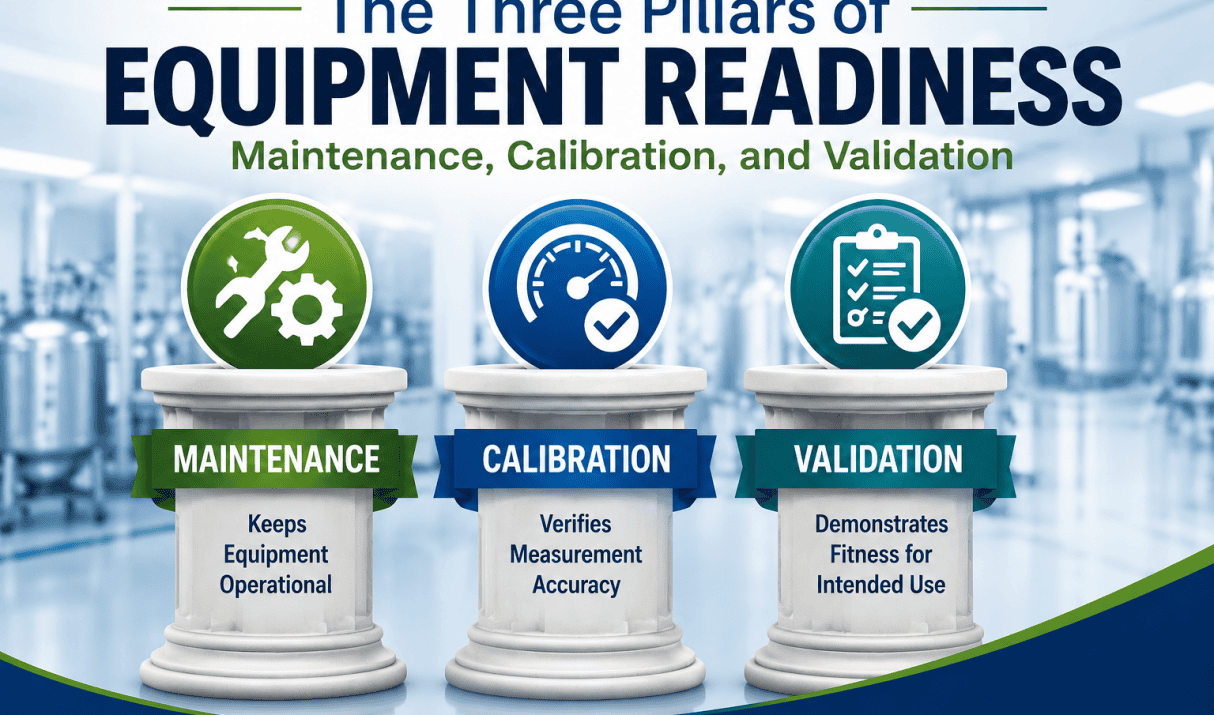
The Three Pillars of Equipment Readiness: Maintenance, Calibration, and Validation In regulated environments, equipment readiness means more than keeping equipment running. A machine may appear operational, but that does not automatically mean it is accurate, suitable for its intended use, or ready to support GMP activities. For life science companies, equipment readiness is commonly supported

Still Using Spreadsheets? What a Validated CMMS Takes Off Your Plate Spreadsheets are often where maintenance, calibration, and validation programs begin. They are inexpensive, flexible, familiar, and easy to deploy quickly. For smaller operations or limited-scope activities, spreadsheets may work reasonably well for a time. But as programs grow, many organizations begin experiencing the same


If your organization operates in a regulated life-sciences environment, you have probably encountered GAMP 5. The difficult part is usually not recognizing the name. It is understanding what GAMP 5 actually does, what it does not require, and how to apply its risk-based principles without turning validation into a paperwork exercise. This guide explains how

When an FDA investigator walks through your door, the outcome of that inspection is rarely determined in the moment. It’s determined by everything your team did or didn’t do in the months and years before that visit. GxP inspections are not surprise evaluations of your intent. They are systematic reviews of your documentation, your systems,

If you work in pharmaceuticals, biotech, or medical devices, you’ve heard the terms GMP, GLP, and GCP used regularly sometimes interchangeably, and often incorrectly. These three frameworks are distinct, each governing a different phase of the product lifecycle, and confusing them can create serious compliance gaps. This guide breaks down what each standard actually means,