Why a Validated Tracking System for Calibration and Maintenance Is Essential in Regulated Life Science Environments
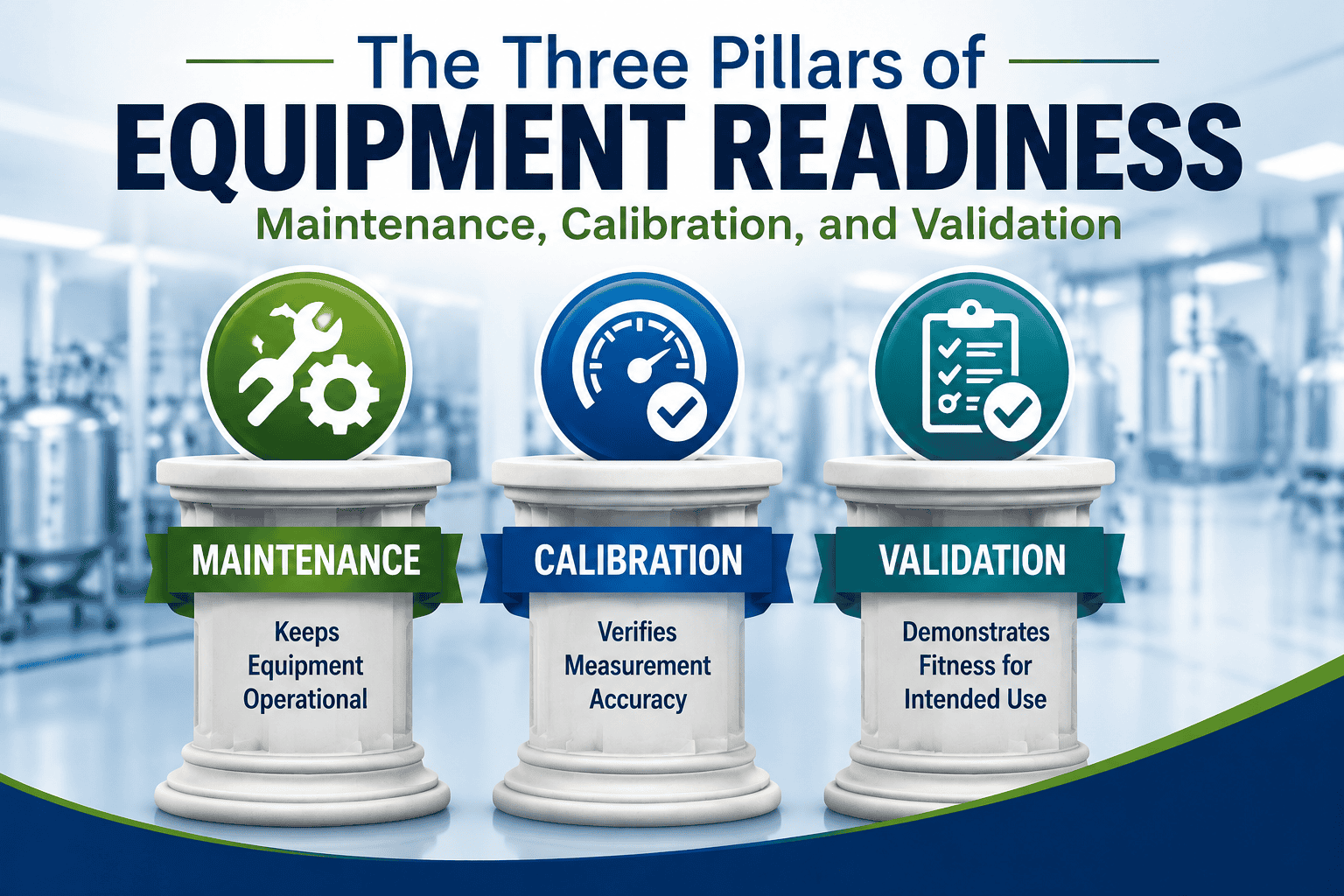
In regulated life science industries, where precision and compliance are non-negotiable, a validated Computerized Maintenance Management System (CMMS) plays a central role. Such a system not only ensures accurate and reliable equipment performance but also reinforces your organization’s commitment to regulatory excellence, operational consistency, and long-term growth.
A validated CMMS helps maintain control over critical assets, documents every action with audit-ready precision, and supports risk-based decision-making processes. Below are several key areas where having a validated CMMS makes a measurable impact:
CMMS and Regulatory Compliance
A validated CMMS is indispensable for meeting regulatory requirements set forth by agencies like the FDA, EMA, and other global authorities. It enables adherence to Good Manufacturing Practices (GMP) by ensuring maintenance tasks are scheduled, documented, and traceable. Systems designed to meet 21 CFR Part 11 and Annex 11 standards ensure that electronic records and signatures are secure, authentic, and legally equivalent to paper records.
Moreover, validation itself demonstrates to regulators that your system has been tested, documented, and consistently performs as intended—minimizing the risk of non-compliance during audits or inspections.
CMMS and Operational Efficiency
A CMMS allows you to define and automate preventive maintenance schedules, helping to reduce unplanned downtime and last-minute troubleshooting. By minimizing breakdowns and improving reliability, your team can spend more time on routine activities instead of firefighting.
The system improves coordination across teams by assigning tasks, sending reminders, and maintaining historical maintenance logs. This not only enhances daily operations but also supports faster decision-making in high-stakes environments.
CMMS and Scalability
As your organization grows, so does the complexity of asset management. A modular, validated CMMS is designed to scale with your operation. Whether you’re expanding into new labs, adding production lines, or entering new markets, the system provides the flexibility to manage increasing data volumes, asset types, and users.
From multi-site operations to multilingual support, a scalable CMMS empowers teams to maintain centralized oversight while allowing localized control.
CMMS and Data Integrity
Maintaining the accuracy and reliability of calibration and maintenance data is crucial. A validated CMMS incorporates built-in validation checks, access controls, electronic signatures, and audit trails. Your data is complete, consistent, and tamper-proof.
This level of control supports data integrity frameworks like ALCOA+ (Attributable, Legible, Contemporaneous, Original, Accurate, and more), which are essential for demonstrating regulatory compliance and making informed business decisions.
CMMS and Cost-Effectiveness
By helping you transition from reactive to proactive maintenance strategies, a CMMS reduces emergency repairs and minimizes equipment failure. This enables better inventory control, ensuring spare parts are available when needed—without overstocking or wasting resources.
Moreover, automating workflows and scheduling helps reduce overtime labor costs and frees up staff time for strategic initiatives, directly contributing to bottom-line savings.
Final Thoughts
For life science companies operating in regulated environments, implementing a validated CMMS is more than a best practice. it’s a strategic necessity. From compliance and efficiency to data integrity and cost control, a well-designed system supports your operational goals and ensures you’re audit-ready at all times.
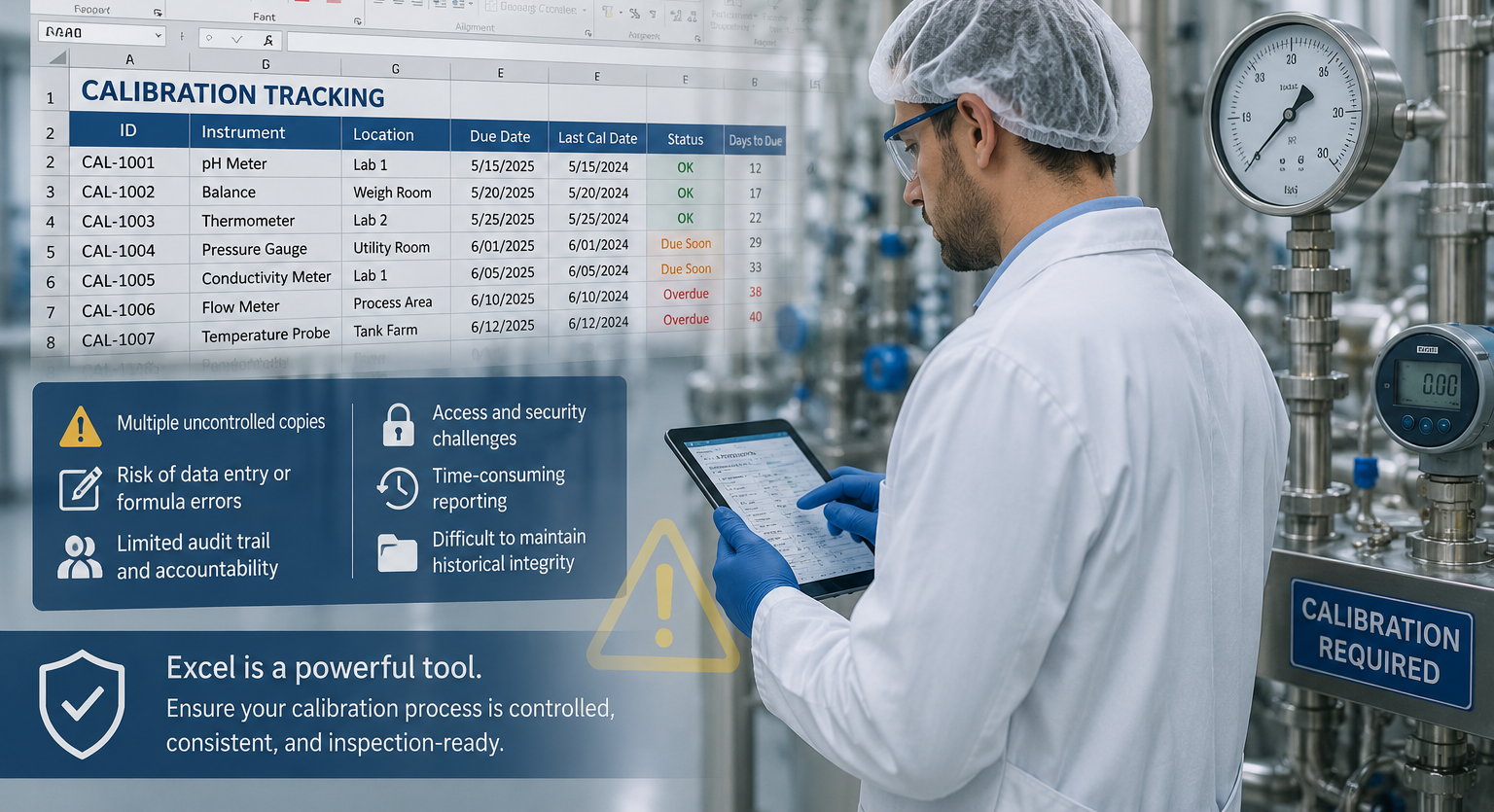
Stop relying on spreadsheets or paper-based systems and level up! A validated CMMS could be the backbone your quality, compliance, and maintenance programs have been missing. Please contact us for a Demo and a 30-day FREE TRIAL!
#cmms #validatedcmms #gxp