If you operate a 503A compounding pharmacy, preparing for an FDA inspection is not the same as preparing a conventional pharmaceutical manufacturing facility for a CGMP inspection.
Drugs compounded in accordance with the conditions of Section 503A may qualify for exemptions from certain provisions of the Federal Food, Drug, and Cosmetic Act, including federal current Good Manufacturing Practice (CGMP) requirements. But other federal requirements still apply, and FDA continues to inspect compounding pharmacies when appropriate.
Inspection readiness therefore means understanding which requirements apply to your operation, maintaining appropriate controls, and being able to retrieve clear evidence showing how the pharmacy operates.
How Should a 503A Pharmacy Prepare for an FDA Inspection?
A good starting point is to make sure that your facility, procedures, records, and practices are consistent with one another.
Before an inspection, review the areas most likely to affect product quality and patient safety, including:
- Compounding practices and procedures
- Facility and equipment condition
- Cleaning and sanitation
- Environmental and personnel monitoring, where applicable
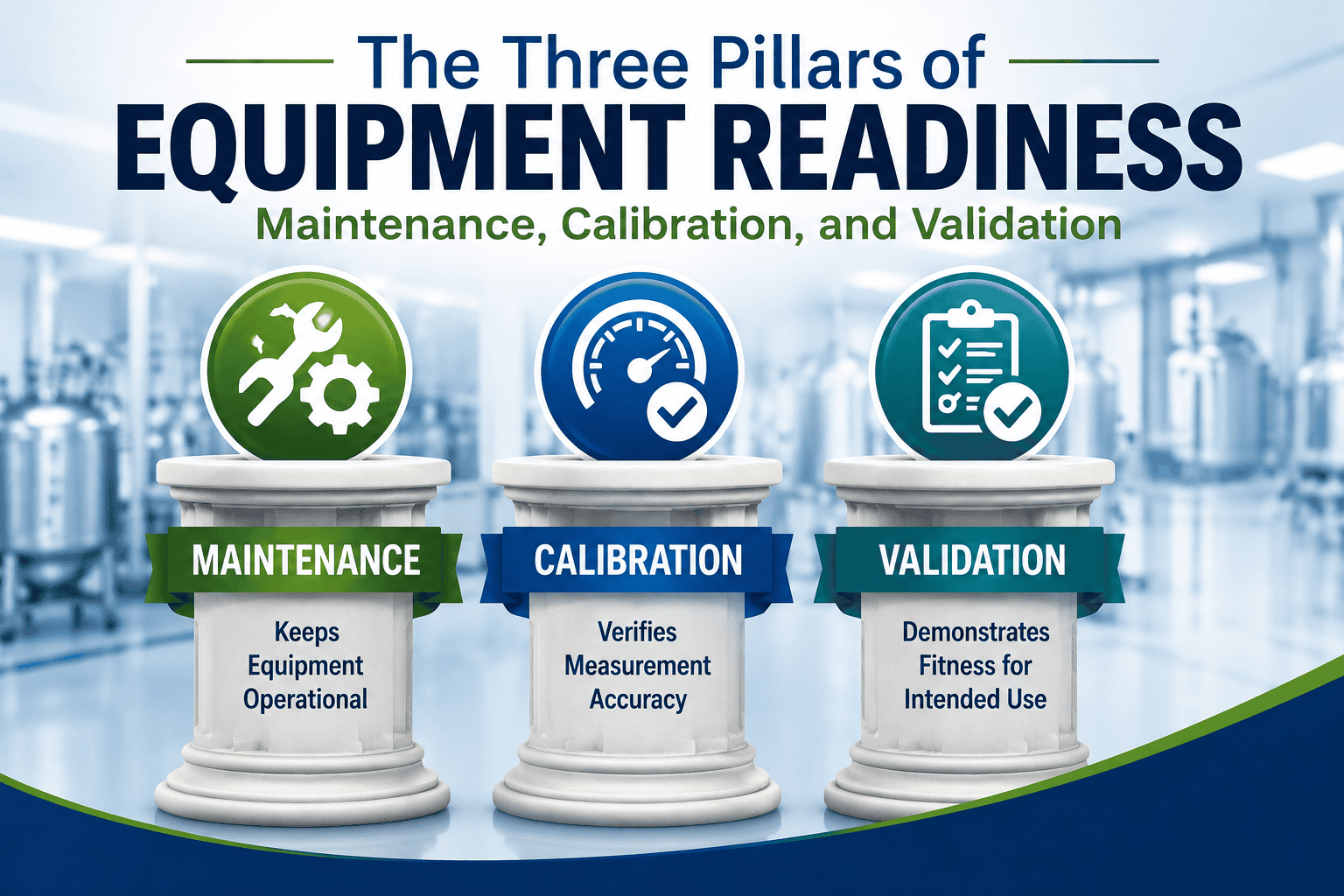
- Equipment maintenance and calibration
- Training and personnel qualification
- Material and supplier controls
- Compounding and related records
- Investigation of problems, complaints, or unexpected results
The objective is not simply to assemble documents before FDA arrives. The records should demonstrate that routine practices are controlled and that important activities can be reconstructed after they occur.
What Is the Regulatory Framework for a 503A Pharmacy?
Section 503A of the Federal Food, Drug, and Cosmetic Act applies to qualifying human drug compounding performed by licensed pharmacists in state-licensed pharmacies or federal facilities, or by licensed physicians.
When all applicable conditions of Section 503A are met, compounded drug products may qualify for exemptions from federal CGMP requirements, labeling with adequate directions for use, and premarket approval requirements.
That does not mean a 503A pharmacy is outside FDA oversight. Other applicable provisions of federal law remain in effect, and FDA also works with state pharmacy authorities in overseeing pharmacy compounding.
FDA provides an overview of the federal provisions that apply to human drug compounding here:
FD&C Act Provisions that Apply to Human Drug Compounding
503A Is Not the Same as 503B
- 503A compounding: May qualify for exemption from federal CGMP requirements when the applicable conditions of Section 503A are met.
- 503B outsourcing facilities: Are subject to CGMP requirements and additional FDA requirements.
This distinction is important when evaluating inspection expectations. A 503A pharmacy should not simply apply a conventional pharmaceutical CGMP checklist without considering which requirements actually apply to its operation.
What Records May Be Important During a 503A Inspection?
The records relevant to an inspection depend on the activities performed by the pharmacy, the products compounded, applicable state requirements, and the issues being evaluated by FDA.
Important records may include documentation related to:
- Compounding activities
- Equipment maintenance and repair
- Equipment calibration
- Cleaning and sanitation
- Environmental monitoring
- Personnel monitoring and qualification
- Training
- Materials and suppliers
- Complaints and investigations
- Facility and equipment conditions
Inspection readiness depends not only on whether these records exist, but also on whether they are complete, current, understandable, and readily retrievable.
A record that exists but cannot be quickly located or clearly interpreted is much less useful during an inspection.
Environmental Monitoring and 503A Inspections
Environmental monitoring can be particularly important for pharmacies performing sterile compounding.
Before an inspection, a pharmacy should be able to show that applicable environmental and personnel monitoring activities are performed as intended and that results are reviewed and acted upon when necessary.
Relevant evidence may include:
- Environmental monitoring results
- Personnel monitoring results
- Sampling locations and frequencies
- Trend reviews
- Responses to excursions or unexpected results
- Corrective actions when appropriate
Equipment Maintenance and Calibration
Equipment records are another area where inspection readiness can break down quickly.
For equipment that affects compounding operations or product quality, the pharmacy should be able to determine:
- What equipment is currently in use
- What maintenance is required
- When maintenance was last performed
- What calibration is required
- Whether calibration is current
- Whether equipment problems were documented and resolved
- Whether the history of the equipment can be reconstructed
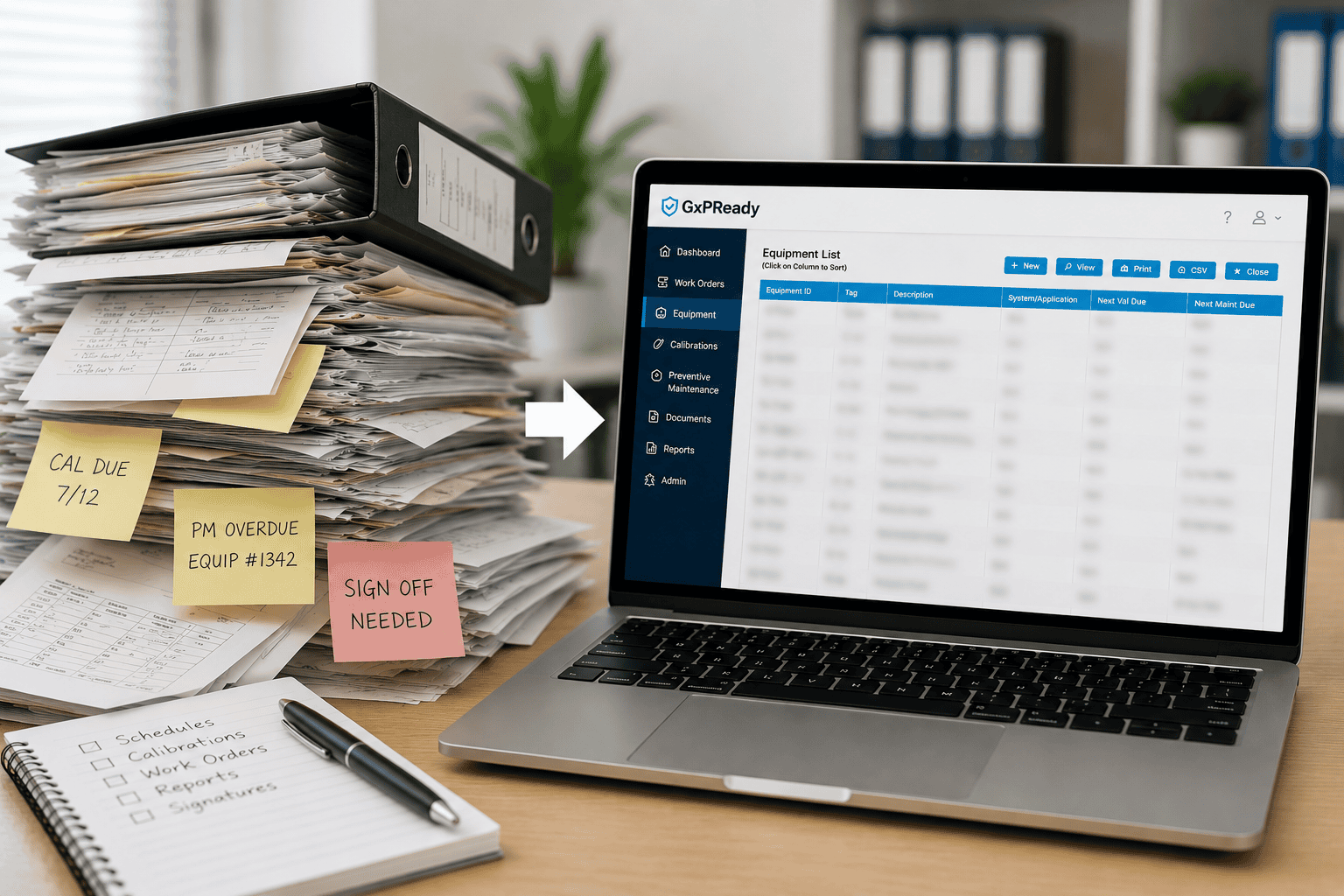
Problems often arise when these records are scattered among spreadsheets, paper files, service reports, shared drives, or individual employee records.
Whatever system is used, the important point is that equipment status and history should be clear and readily retrievable.
Look for Gaps Before the Inspector Does
Inspection preparation should include a focused review of areas where documentation and actual practice may have drifted apart.
Examples include:
- Maintenance or calibration that is overdue
- Procedures that no longer reflect actual practice
- Missing or incomplete records
- Environmental monitoring results that were not adequately reviewed
- Equipment with unclear status
- Training records that do not support assigned responsibilities
- Corrective actions that were started but never formally completed
Finding these issues internally provides an opportunity to understand them and address them appropriately before they become inspection findings.
Can Software Help With 503A Inspection Readiness?
Software does not make a facility inspection-ready by itself. It can, however, make important records easier to control and retrieve.
For equipment-related activities, a controlled system can help maintain:
- Equipment inventories
- Calibration schedules
- Preventive maintenance schedules
- Equipment histories
- Supporting documentation
- User access controls
- Traceability of record changes
For a closer look at software controls specifically for 503A pharmacies, see Do 503A Compounding Pharmacies Need Validated Software?
GxPReady™ validated CMMS software is designed to support equipment calibration, maintenance, and qualification records without requiring the complexity of a large enterprise CMMS.
For 503A pharmacies, the value is practical: when an inspector or internal reviewer asks for the history of a piece of equipment, the information should be straightforward to find and understand.
503A FDA Inspection Readiness Checklist
Before an FDA inspection, consider whether you can answer yes to the following questions:
- Are applicable procedures current and consistent with actual practice?
- Can important records be retrieved quickly?
- Are maintenance and calibration activities current?
- Can equipment history be reconstructed?
- Are environmental monitoring records complete and reviewed where applicable?
- Are personnel training and qualification records current?
- Have significant problems or excursions been investigated?
- Are outstanding corrective actions understood and appropriately managed?
- Do personnel know where records are maintained and who is responsible for providing them?
If several of these questions are difficult to answer, that is a useful indication of where inspection-readiness work should begin.
The Bottom Line
Preparing a 503A compounding pharmacy for an FDA inspection is not simply a matter of applying pharmaceutical CGMP requirements to a smaller facility.
The first step is understanding the regulatory framework that actually applies to the pharmacy. From there, inspection readiness means making sure facility practices are controlled, important records are complete, and evidence can be retrieved quickly when needed.
For areas such as equipment maintenance, calibration, environmental monitoring, training, and compounding records, the most useful question is often simple:
If an inspector asked for the evidence today, could we find it, understand it, and show that the activity was properly controlled?
Need Better Control of Equipment Records?
GxPReady™ Suite provides a secure platform for controlled calibration, maintenance, and equipment qualification records designed for regulated environments without the cost and administrative overhead normally associated with large enterprise systems.
See How GxPReady Works